Family
Building one bug out bag is easy. Building one for a whole family is where most people get stuck. Kids can’t carry much, babies need a pile of stuff, and nobody wants to haul four sleeping bags down the road. Here’s how we think about it, and a checklist for each person, built on the CDC’s family emergency kit guidance.
Quick answer: The adults carry the shared gear (water, food, shelter, first aid and tools) and each kid carries a light bag with their own clothes, a water bottle, snacks, a flashlight, a whistle, a contact card and a comfort item. Plan on at least 1 gallon of water per person per day and 3 days of food, plus 2 weeks of any prescription medicine, as the CDC recommends.
How to Split Gear Across the Family
Think of your family’s bags as one kit spread across several backs:
- Shared gear goes with the adults: water and a way to purify more, food, a stove, shelter, the main first aid kit, a radio, tools, cash and copies of your documents.
- Personal gear goes with each person: their own clothes, sleeping bag or blanket, rain gear, a water bottle and a few snacks, so everyone has the basics if you get separated.
- Older kids and teens can carry more as they grow. Small kids carry a small bag that’s mostly about comfort and getting found.
Water is the heavy part. A gallon weighs about 8 pounds, so three days for a family of four is far more than you can carry. Pack some, and carry a water filter to make more.
Keep the kids’ packs light. A heavy pack wears a child out fast, and a worn-out kid slows the whole family down. Load them up and go for a walk around the neighborhood to see what they can really carry.
Shared Family Gear (Adults’ Bags)
From the CDC’s family checklist and our own bug out bag checklist:
- Water: at least 1 gallon per person per day, plus a filter or purification tablets
- Food: 3 days of non-perishable food everyone will actually eat, a manual can opener, and a small stove
- Shelter: a tent or tarp big enough for the family, and emergency blankets for everyone
- First aid: a family-size kit, pain relievers for adults and kids, anti-diarrhea medicine, and at least 2 weeks of everyone’s prescriptions
- Light and power: flashlights, a headlamp for each person, extra batteries, a battery or hand-crank radio, and a phone charger or power bank
- Documents: copies of IDs (including one for each child), medical records, insurance and prescriptions in a waterproof bag. See our important documents guide.
- Cash in small bills, local maps, and spare car and house keys
- Hygiene: toilet paper, wipes, hand sanitizer, soap, toothbrushes and toothpaste, and feminine products
- Tools: a knife or multi-tool, duct tape, garbage bags, gloves, and a wrench to shut off utilities
Kids’ Bug Out Bags (Ages 5 and Up)
A child’s bag should be theirs. Let them help pack it and pick the comfort items. They’ll be more likely to carry it, and less scared when it’s time to use it.
- A small, comfortable backpack in a bright color
- A change of clothes, extra socks and underwear, and a rain poncho
- A water bottle and a few favorite snacks
- A small flashlight or headlamp
- A whistle on a lanyard, and a lesson on when to blow it
- An emergency contact card with your names, phone numbers, an out-of-town contact, allergies and medications
- A comfort item: a small stuffed animal, a book, a deck of cards or a drawing pad
- An emergency blanket
The CDC also suggests helping kids memorize important phone numbers and, if they’re old enough, teaching them how to call 911.
Babies and Toddlers
Little ones need the most stuff and can carry none of it. From the CDC’s checklist for infants and young children:
- Diapers, wipes and diaper rash cream
- Formula (ready-to-feed is easiest when clean water is short), bottles and nipples
- Infant pain reliever and a thermometer
- Extra clothes, blankets and a baby carrier, so your hands stay free
- Pacifiers, teething rings and a few small toys
- Vaccination records
- For toddlers: snacks, a sippy cup or water bottle, pull-ups, and an ID tag or wristband with your contact information
If you’re pregnant or nursing, the CDC recommends extra water, prenatal vitamins, a plan with your doctor in case their office or hospital is closed, and a breast pump that runs without wall power.
Pets
Pets are family too. The CDC recommends 3 days of food and water for each pet, 2 weeks of any medicine, a leash or carrier, bowls, waste bags, medical records, and recent photos in case you get separated.
Make a Family Plan
Gear is only half of it. From the CDC:
- Pick meeting places, one near home and one outside your neighborhood, in case you can’t get home.
- Choose an out-of-town contact everyone can call or text.
- Know your kids’ school plan: where they’ll go if the school evacuates and how you pick them up.
- Talk about it. Go over the emergencies most likely where you live, calmly and in simple terms.
- Practice. Do a dry run: grab the bags, load the car, and drive to your meeting place.
Family Gear We Recommend
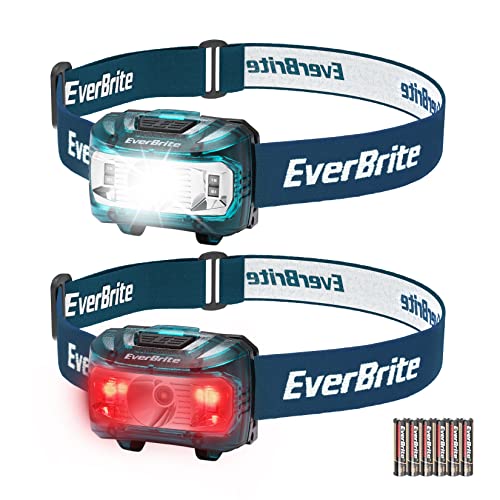
EverBrite LED Headlamp (2-Pack)
Typical Price: $11
A light for every kid. Cheap, light and easy for small hands to switch on. Put one in each child’s bag so nobody has to share in the dark.
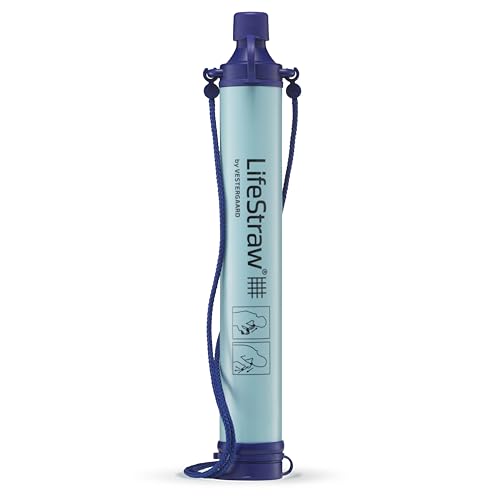
LifeStraw Personal Water Filter
Typical Price: $17
Make more water on the move. Kids can drink straight from a stream or bottle through it, and it weighs next to nothing. Pack one per person.
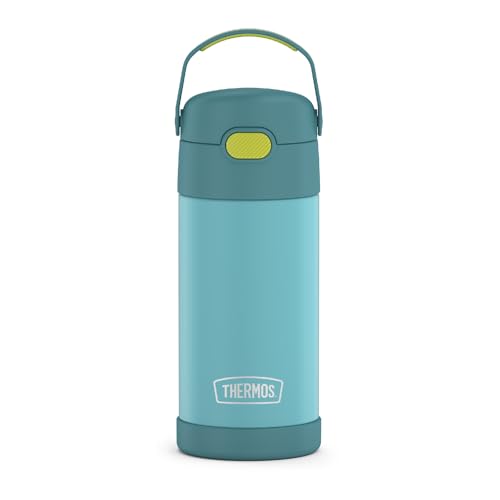
Thermos Funtainer 12 oz Kids Bottle
Typical Price: $13
A bottle they’ll actually use. Tough, leak-proof and sized for little hands, with a straw so they can drink on the move.

Mylar Emergency Blankets (10 Pack)
Typical Price: $15
One for everyone, with spares. They weigh almost nothing and fold to the size of a deck of cards. Tuck one in every bag.
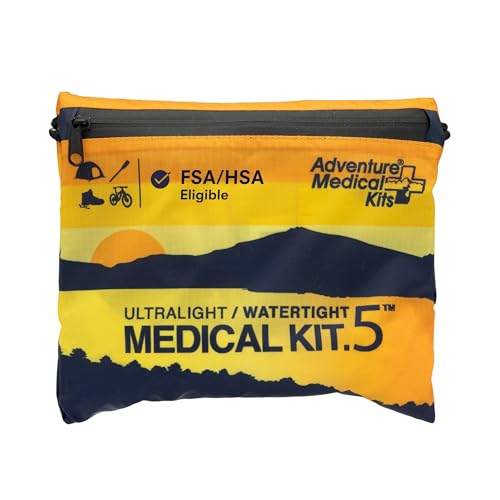
Adventure Medical Kits Ultralight & Watertight .5
Typical Price: $32
A first aid kit for the family bag. Covers cuts, blisters, splinters and stings in a waterproof pouch. Add children’s pain reliever and any medicines your kids take.
Don’t want to build it from scratch? The Bag Builder asks how many people you’re packing for, your weather and your budget, and puts together a complete bag for your family that you can tweak item by item.
Family Bug Out Bag FAQ
How much water does a family need?
The CDC recommends at least 1 gallon per person per day for at least 3 days, and more if anyone is pregnant or nursing. For a family of four, that’s 12 gallons, so carry some and bring a filter for the rest.
Should kids have their own bug out bag?
Yes, once they can walk and carry a small backpack. Keep it light and focused on their clothes, water, snacks, a light, a whistle, a contact card and a comfort item.
What goes in a baby’s emergency kit?
Diapers and wipes, formula and bottles, infant pain reliever, a thermometer, extra clothes and blankets, a carrier, and vaccination records.
How often should I check our family bags?
Every six months. Kids outgrow clothes fast, and food, water, medicine and batteries expire.

Got a question about your bag?
Ask it in the Bug Out Bag Builder group on Facebook. Members share their builds, compare gear and help each other out.