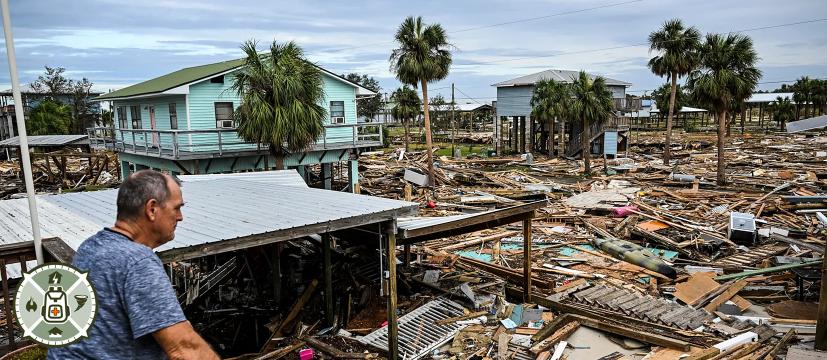
Hurricane Season 2026: Is Your Bug Out Bag Ready?
Hurricane season 2026 officially kicks off on June 1st — and that's only five weeks away. Whether you're in Florida, the Gulf Coast, the Carolinas, or anywhere else in the Atlantic basin, now is the time to get your gear squared away. Not in June. Not when a storm is named. Now.
The good news: forecasters are calling for a relatively calm season compared to recent years. The bad news: calm seasons can still produce catastrophic storms — and a single direct hit is all it takes to turn your world upside down.
Here's what you need to know about the 2026 season, and exactly how to make sure your bug out bag is ready for it.
What the 2026 Hurricane Season Forecast Says
Multiple agencies have weighed in on the 2026 Atlantic hurricane season outlook, and there's a general consensus: expect a near- to below-average season, primarily driven by the development of El Niño conditions.
- Colorado State University (CSU) is forecasting 13 named storms, 6 hurricanes, and 2 major hurricanes.
- AccuWeather predicts 11 to 16 named storms, 4 to 7 hurricanes, and 2 to 4 major hurricanes — plus 3 to 5 direct impacts on the United States.
- North Carolina State University calls for 12 to 15 named storms and 6 to 9 hurricanes, with near-average activity in the Gulf of Mexico.
The reason for the relatively quiet outlook? El Niño. A strengthening El Niño pattern is expected to increase wind shear across the tropical Atlantic, which disrupts hurricane formation. The last strong El Niño season was 2023 — which still produced 20 named storms. So don't let a "below-average" forecast lull you into complacency.
As CSU researchers put it plainly: "Coastal residents are reminded that it only takes one hurricane making landfall to make it an active season for them."
Bottom line: prepare like it's going to be an active season. Every year.
Hurricane Bug Out Bag Essentials Checklist
If you don't have a dedicated hurricane bug out bag — or if yours hasn't been checked in a while — here's what it needs to contain.
💧 Water & Hydration
- 1 gallon of water per person per day (minimum 3-day supply, ideally 7 days but that can be heavy)
- Water purification tablets or a quality portable filter (e.g. Sawyer Squeeze or LifeStraw)
- Collapsible water containers for refilling
🍱 Food
- 72-hour supply of non-perishable food (aim for 2,000+ calories/day per adult)
- Manual can opener
- Energy bars, freeze-dried meals, or MREs
- Baby food / pet food if applicable
🩺 First Aid
- Comprehensive first aid kit
- 7-day supply of all prescription medications (rotate regularly so they don't expire)
- N95 respirators (mold and debris are serious post-hurricane hazards)
- Any medical devices and their backup power sources
🔦 Power & Light
- Hand-crank or solar emergency radio (NOAA weather alerts are critical)
- High-lumen flashlight with extra batteries
- Portable power bank (fully charged)
- Solar charger as a backup
📄 Documents
- Waterproof bag or container with:
- ID, passport, Social Security cards
- Insurance policies and contact numbers
- Home ownership or rental documents
- Medical records
- Emergency contact list (printed — don't rely on your phone)
- Cash in small bills (ATMs go down after major storms)
🛠️ Tools & Gear
- Multi-tool or folding knife
- Heavy-duty work gloves
- Duct tape and paracord
- Tarp or emergency shelter (in case you can't reach a designated shelter)
- Whistle
- Local and regional paper maps (GPS and cell service can fail)
👕 Clothing & Personal
- One change of clothes per person, weather appropriate
- Rain poncho or waterproof jacket
- Sturdy closed-toe shoes
- Personal hygiene kit (hand sanitizer, wet wipes, toothbrush)
Did you make your WUSH BAG yet? It's the most important, most basic emergency kit you will ever create!
Specific Hurricane Prep Beyond the Bag
Your bug out bag is only one piece of the puzzle. Here's what else to do before a storm is ever named:
Know Your Evacuation Zone
Every coastal county has designated evacuation zones — usually labeled A through E or 1 through 5, with the lowest/earliest being the highest risk. Look yours up now at your local emergency management office website, and identify your evacuation route. Don't wait for a mandatory order to figure this out.
Establish a Rally Point
Every member of your household should know where to meet if you get separated. Pick two locations: one close to home, one farther away (in case local roads are impassable). Write it down. Put it in the bag.
Know When to Go
Waiting too long to evacuate is one of the most dangerous mistakes people make. When a Cat 3 or higher is within 72 hours of your area and authorities issue an evacuation order, go. Traffic will be brutal. Hotels fill up fast. Leave early and stay ahead of the storm.
Check Your Vehicle
Your car is part of your bug out plan. Before season starts:
- Full tank of gas (or know where the nearest open station is on your route)
- Tires properly inflated
- Emergency kit in the trunk (jumper cables, fix-a-flat, first aid)
How Often Should You Update Your Hurricane Bug Out Bag?
At minimum, check your bag twice a year — once before hurricane season (May) and once before winter storm season (October). Things to look for:
- Expired food and medications — rotate out and replace
- Dead batteries — test and replace
- Outdated documents — update insurance info, IDs, contacts
- Ill-fitting clothes — especially if you have kids who have grown
If you've used anything from the bag, replace it immediately — don't wait until the next scheduled check.
The Takeaway
A below-average season doesn't mean a safe season. Forecasters are clear: even with El Niño suppressing activity, the Gulf of Mexico and U.S. coastlines remain in play. Anywhere from 3 to 5 direct U.S. impacts are still expected this year.
The best time to build or update your hurricane bug out bag is right now — before you're watching the Weather Channel and trying to find bottled water at a sold-out Walmart.
Get your bag ready. Check your evacuation route. Make a plan with your family. And if you need help building your kit from scratch, use our Bug Out Bag Builder tool to customize your load-out for your specific situation.
Stay ready.
— Mr.BOBB
*Photo Credit: Chandan Khanna/AFP via Getty Images