Hurricane Preparedness Checklist: Before, During and After the Storm (2026)
Updated November 2026: rewritten as a before, during and after checklist with official sources, a free printable PDF and current gear picks.
A hurricane gives you something most disasters don't: warning. The families who come through best are the ones who use that time well, with supplies bought months ahead and a short list of jobs for the last few days. This checklist covers both, plus what to do during and after the storm.
Quick answer: Before the season, know your evacuation zone, store water (one gallon per person per day for several days), several days of food, medications, light, a weather radio and your documents in a waterproof box. When a storm is forecast, fuel the car, get cash, charge everything and secure the house. During and after, follow evacuation orders, stay out of flood water and run generators only outdoors, at least 20 feet from the house.
Two pages, free, no email needed. Includes a fill-in section for your evacuation zone, routes and pet plan.
Play It Out: Survival Scenarios

Would you leave in time? Our free Hurricane Evacuation Drill is fun to play and takes about five minutes: seven calls from the first forecast to your first night back home, then your score, your gaps and a printable family plan.

How much power will you need after the storm? Our free Power Planner adds up the fridge, CPAP, lights, phones and radios you want to keep running, then shows the power station and solar panels, or the generator and fuel, that will get you through the outage.
When Is Hurricane Season?
The Atlantic hurricane season runs from June 1 to November 30, and its peak is around September 10, according to the National Hurricane Center. Have your supplies in place by June 1, so the only thing left when a storm forms is the short list below.
Before the Season: Get Ready by June 1
Plan
- Know your evacuation zone. Ready.gov says to build your evacuation plan around your zone. Look it up on your county emergency management site, pick where you'll go, and plan two routes.
- Pick an out-of-area contact everyone in the family can call or text.
- Plan for pets. Not every shelter takes them. Know which hotels or friends will.
Supplies
- Water: one gallon per person per day for several days, for drinking and sanitation (Ready.gov). A bathtub water bladder adds up to 100 gallons when a storm is coming.
- Food: several days of non-perishable food your family will eat, plus a manual can opener. See our prepper nutrition guide.
- Medications: refill early and keep a written list of every prescription and dose.
- Light and power: flashlights or lanterns, extra batteries and charged power banks for every phone.
- A weather radio: a hand-crank or battery NOAA Weather Radio keeps you informed when the power and cell service are down.
- A battery-operated carbon monoxide detector. The CDC recommends one, because you can't see, smell or hear CO.
- First aid kit, work gloves, a tarp, duct tape and basic tools for cleanup.
Paperwork and the house
- Documents: keep them in a fireproof, waterproof box, with password-protected digital copies (Ready.gov). Our important documents checklist lists what to include.
- Insurance: review your policy before the season, and photograph your home and belongings now so you have a record.
- Windows: install shutters or cut and label plywood for every window ahead of time.
- Yard: trim trees, clear gutters, and know which outdoor items you'll need to bring in.
- Go bags: pack one per person in case you have to leave. Start with our free bug out bag checklist and the hurricane bug out bag essentials.
When a Storm Is Forecast: The Last-Few-Days List
- Fill the car's gas tank and get cash in small bills. Gas stations and ATMs need power too.
- Charge phones, power banks and rechargeable lights.
- Fill a bathtub water bladder and any extra containers.
- Freeze water bottles to keep the fridge and cooler cold longer.
- Bring in or tie down everything loose in the yard.
- Put up shutters or plywood.
- Move valuables and documents up high or into your go bag.
- Check the generator, fuel and extension cords.
- Tell family your plan and where you'll go if you evacuate.
Shopping at the last minute? Our storm week shopping list covers what to buy locally before the shelves empty.
During the Storm
- Evacuate immediately if officials order it, and take your critical supplies and documents with you (Ready.gov).
- Shelter in an interior room away from windows if you stay.
- Keep a radio on for alerts.
- Never walk or drive through flood water. Ready.gov warns that just six inches of fast-moving water can knock you down, and one foot of moving water can sweep your vehicle away. Turn around, don't drown.
- Run generators, grills and camp stoves only outdoors and at least 20 feet from doors, windows and vents, to avoid carbon monoxide poisoning (CDC and Ready.gov).
After the Storm
- Go home only when officials say it's safe, and follow local re-entry guidance.
- Photograph all damage before you clean up, then call your insurance company (Ready.gov).
- Check your food. Ready.gov says refrigerated food should be safe if the power was out for no more than four hours. Throw out meat, poultry, fish and eggs that sat above 40°F for two hours or more.
- Stay out of flood water and away from downed power lines.
- Keep the generator outside, 20 feet or more from the house.
- Check on neighbors, especially older people living alone.
- Restock your kit before the next storm.
For more on riding out the storm and protecting your home, see our hurricane preparedness guide.
Hurricane Kit Gear We Recommend
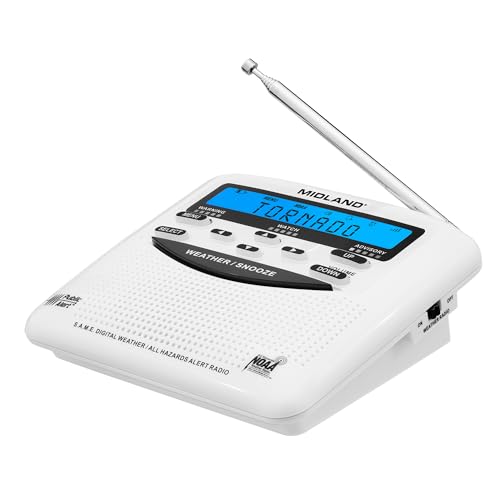
Midland WR120B NOAA Weather Alert Radio
Typical Price: $50
Best weather radio. Sounds an alarm for National Weather Service alerts for your county, runs on AA batteries when the power goes out, and sits on a nightstand or kitchen counter.
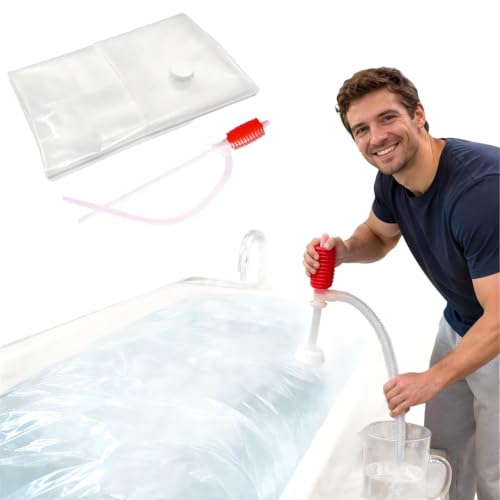
100 Gallon Bathtub Water Bladder with Siphon Pump
Typical Price: $30
Best last-minute water storage. Fill it in the tub when a storm is forecast and pump out clean water for days. See our bathtub water storage guide.
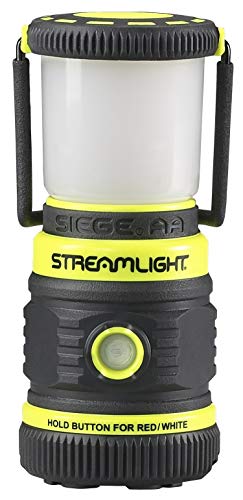
Streamlight Siege AA Lantern with Magnetic Base
Typical Price: $36
Best lantern. Lights a room on regular AA batteries, so it works when every rechargeable in the house is dead. The magnetic base sticks to the fridge or a car.
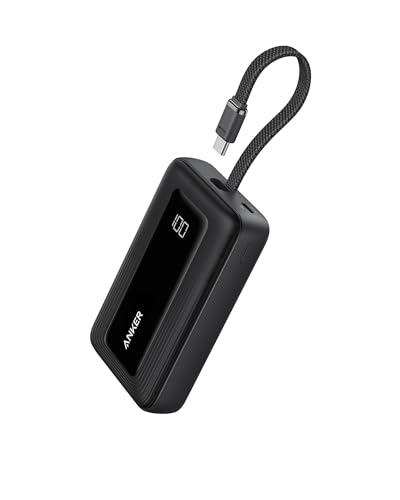
Anker 10,000mAh 30W Power Bank with Built-in USB-C Cable
Typical Price: $25
Keep phones alive. Charge one per person before the storm. A full bank recharges most phones more than once.
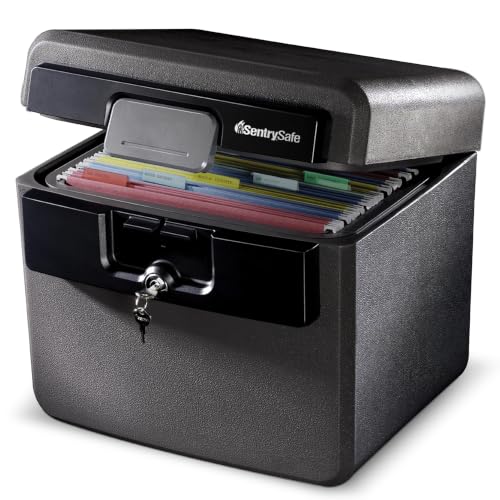
SentrySafe HD4100 Fireproof and Waterproof File Box
Typical Price: $68
Best document box. Ready.gov says to keep important documents in a fireproof, waterproof box. This one holds hanging files and grabs easily on the way out.
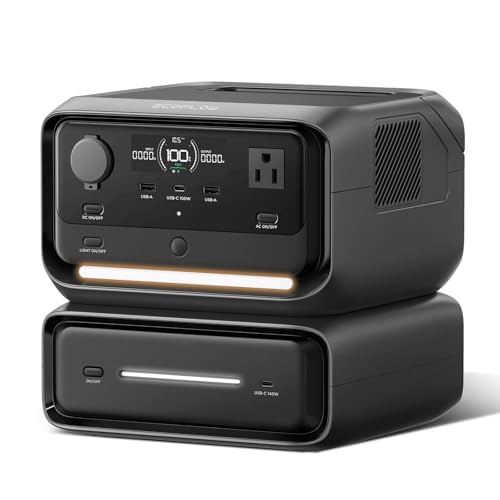
EcoFlow River 3 Max Power Station
Typical Price: $369
Quiet backup power. A 572 Wh battery with regular AC outlets that runs phones, lights, a fan or a CPAP with no fuel or fumes, so it’s safe to use indoors. Recharge it from the wall before the storm, then from your car or a solar panel. It won’t run central AC, but it keeps the essentials going.
Hurricane Checklist FAQ
When is hurricane season?
The Atlantic season runs June 1 to November 30, with the peak around September 10, according to the National Hurricane Center.
What should be in a hurricane emergency kit?
Water, non-perishable food, medications, a first aid kit, flashlights, extra batteries, a weather radio, phone chargers, cash, important documents in a waterproof container, and supplies for pets. Download the printable checklist above for the full list.
How much water do I need for a hurricane?
Ready.gov recommends one gallon per person per day for several days, for drinking and sanitation. A family of four needs at least 12 gallons for three days, so store more if you can.
Should I stay or evacuate?
If officials order your zone to evacuate, go. Ready.gov says to evacuate immediately when ordered. If you're not in an evacuation zone and your home is safe from flooding, you may be able to shelter in place.
Is it safe to run a generator during a hurricane?
Only outdoors, at least 20 feet from doors, windows and vents, according to the CDC. Never run one in a garage, even with the door open, and keep a battery-operated CO detector inside.

Got a question about your bag?
Ask it in the Bug Out Bag Builder group on Facebook. Members share their builds, compare gear and help each other out.
Up Next