Winter Car Emergency Kit: What to Keep in Your Car and What to Do If You're Stranded
A winter breakdown is a very different problem from a summer one. A dead battery or a slide into a snowbank on a cold night can turn into hours of waiting, and the car you're sitting in gets cold fast once the engine is off. A small winter kit in the back seat is what turns that from dangerous into just miserable.
Quick answer: what goes in a winter car emergency kit?
- Stay warm: a wool blanket or a cold-rated sleeping bag, hat, gloves, dry socks, chemical hand warmers. Our picks
- Get unstuck: a compact shovel, ice scraper with brush, sand or cat litter for traction, jumper cables or a jump starter. Our picks
- Be seen and call for help: phone charger, headlamp with spare batteries, reflective triangles or LED flares, a bright cloth for the antenna.
- Food, water and first aid: high-calorie snacks, water, a basic first aid kit.
That list lines up with what the National Weather Service car winter survival kit checklist and Ready.gov recommend. Below is the kit I'd put together, plus what to actually do if you get stranded.
Why Winter Needs Its Own Car Kit
Your everyday car kit (or your Get Home Bag) is built around getting you home on foot. In a snowstorm, walking is usually the worst choice. The National Weather Service warns that if you leave your vehicle in wind-driven snow and cold, you can become disoriented quickly (NWS: Winter Weather Safety). So a winter kit is built around staying put: staying warm in the car, staying visible, and getting yourself unstuck when it’s safe to try.
It also has to work in the cold. Batteries lose power, water freezes and plastic gets brittle, so a few items are chosen with that in mind.
Winter Car Emergency Kit Checklist
Stay Warm
- Wool blanket or sleeping bag. A sleeping bag rated well below the temperatures you drive in is the single best item in this kit. A wool blanket is the budget option and stays warm when damp.
- Emergency (Mylar) blankets. Cheap and tiny. Use them as an extra layer inside your blanket, not on their own. 10-pack on Amazon
- Warm hat, gloves or mittens, dry wool socks. Most of us drive in clothes that aren’t meant for standing in the snow. Keep a set in the kit so you’re not relying on what you happened to wear.
- Chemical hand warmers. A few pairs for hands, feet and inside a sleeping bag.
- Winter boots if you don’t drive in them. Digging out in dress shoes gets your feet wet fast.
Get Unstuck
- Compact shovel. To clear around the tires and, just as important, the exhaust pipe.
- Ice scraper with brush.
- Sand or non-clumping cat litter for traction under the drive wheels. A small bag or two is plenty.
- Jumper cables or a portable jump starter. Cold weather is hard on car batteries. A jump starter doesn’t need a second car.
- Tow strap rated for your vehicle, if you’d let a passing truck pull you out.
Be Seen and Call for Help
- Phone charger and a power bank. Keep the power bank charged; cold drains it faster.
- Headlamp or flashlight with spare batteries. Lithium AA and AAA batteries handle the cold much better than alkaline.
- Reflective triangles or LED flares. LED flares last for hours and won’t start a fire. LED road flares on Amazon
- Bright cloth (red or orange) to tie to the antenna or door.
- Whistle.
Food, Water and First Aid
- High-calorie snacks like energy bars, trail mix or emergency ration bars. Ration bars won’t freeze solid or go bad in a hot car next summer.
- Water. Bottles can freeze and split; emergency water pouches or a metal bottle with some room left in it hold up better. Datrex water pouches on Amazon
- First aid kit plus any daily medications. See our first aid kit guide.
Car Basics
- Keep the tank at least half full in winter. Ready.gov notes a full tank also keeps the fuel line from freezing (Ready.gov).
- Winter tires, or chains if they’re required where you drive.
- A paper map. Phones die and cell service drops out in storms.
Our Picks: Staying Warm
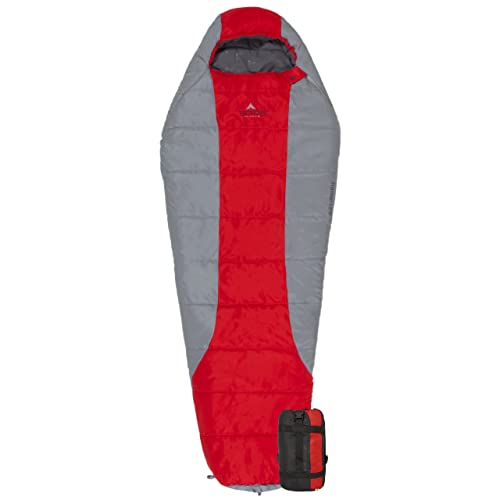
TETON Sports Tracker 5°F Sleeping Bag
Typical Price: $75
The warmest thing you can put in a car kit. A 5°F rating gives you real margin on a long, cold wait, and it rolls up small enough for the back seat or trunk.

HotHands Hand Warmers (10 Pairs)
Typical Price: $9
Cheap, small and they work. Toss a pair in your gloves, boots or the foot of your sleeping bag. Each pair gives hours of heat with no fuel and no flame.
On a tighter budget, a wool blanket plus a pack of Mylar blankets covers the basics. Add a merino beanie and a pair of good wool socks. Ours are Darn Tough, and we cover why in why your socks could save your life.
Our Picks: Getting Unstuck
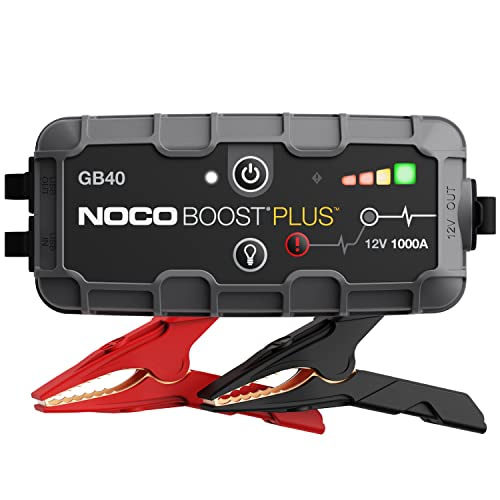
NOCO Boost GB40 Jump Starter
Typical Price: $100
Start a dead battery without a second car. It’s compact, holds a charge for months and doubles as a flashlight and USB phone charger.
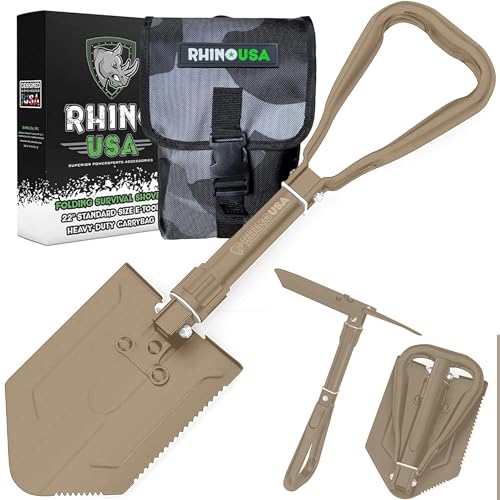
Rhino USA Folding Survival Shovel
Typical Price: $29
Dig out the tires and clear the tailpipe. A sturdy folding shovel that stows flat under a seat.
For light and power, a Petzl Tikkina headlamp and an Anker 10,000 mAh power bank are small enough to live in the glove box.
If You Get Stranded in Your Car
- Stay with the car unless you can see help and know you can reach it. A car is easier for rescuers to find than a person, and it’s shelter. Maine’s emergency management agency says to leave only if you know exactly where you are and that moving will improve your situation (MEMA: Stranded with your vehicle).
- Call for help and tell them where you are: road, direction of travel, mile marker or last exit.
- Make yourself visible. Tie a bright cloth, preferably red, to the antenna or door. Once the snow stops falling, raise the hood (NWS). Put out triangles or flares if it’s safe to get out.
- Clear the exhaust pipe before you run the engine. A blocked tailpipe can push carbon monoxide into the car.
- Run the engine about 10 minutes each hour for heat, and crack a window a little while it runs for fresh air (NWS).
- Bundle up and keep moving. Get into the blanket or sleeping bag early, before you’re chilled. Move your arms, legs, fingers and toes now and then to keep blood flowing (NWS), but don’t work up a sweat. Damp clothes make you colder.
Know the Signs of Hypothermia and Frostbite
According to the CDC, warning signs of hypothermia in adults include shivering, exhaustion, confusion, fumbling hands, memory loss, slurred speech and drowsiness. In babies, look for bright red, cold skin and very low energy. Hypothermia is a medical emergency.
Frostbite shows up as a white or grayish-yellow patch of skin, skin that feels unusually firm or waxy, or numbness. Redness or pain can be the first sign. The CDC says not to rub frostbitten skin or rub it with snow, and to warm it with body heat, like fingers tucked in an armpit, until you can get help (CDC: Preventing Frostbite).
Where to Keep It and How to Maintain It
- Keep it in the back seat, not just the trunk. Wisconsin DOT points out that a trunk can jam or freeze shut (WisDOT: Winter survival kit). A duffel behind the driver’s seat works well.
- Pack it at the start of winter and check it again mid-season.
- Rotate food and water once a year, and swap batteries before they expire.
- Charge the power bank every month or two.
Want a kit for the rest of the year too? Start with our Get Home Bag checklist, read up on winter storm prep at home, or use the Bag Builder to build a car kit item by item. You can also grab our free printable checklist.
Winter Car Kit FAQ
What should I keep in my car in winter?
Blankets or a sleeping bag, warm clothes, a shovel, an ice scraper, sand or cat litter, jumper cables, a flashlight, a phone charger, snacks, water and a first aid kit.
Should I stay in my car if I get stuck in the snow?
Usually, yes. Stay with the car unless help is in sight and close. Keep the exhaust pipe clear and run the engine for about 10 minutes an hour with a window cracked.
How long can you run a car for heat when stranded?
The NWS recommends about 10 minutes each hour. That saves fuel and limits the carbon monoxide risk, as long as the tailpipe is clear.
Will water freeze in my car kit?
Yes, in a cold car. Leave room in bottles for expansion, or use emergency water pouches. Keep a bottle inside the car with you on winter trips.

Got a question about your bag?
Ask it in the Bug Out Bag Builder group on Facebook. Members share their builds, compare gear and help each other out.