How to Stay Warm When the Power Goes Out in Winter (Safely)
When the power goes out in winter, the furnace usually goes with it, even if it burns gas. The house starts losing heat right away, and the real danger isn't just the cold. It’s what people do to fight it: running a generator in the garage, heating with the gas oven, or bringing a grill inside. Here’s how to stay warm safely until the lights come back on.
Quick answer: how do you stay warm when the power is out?
- Pick one room with few windows, close it off and have everyone sleep there. How to set it up
- Dress in layers with a hat, gloves and wool socks, and get into sleeping bags or wool blankets early. Our picks
- Use only indoor-rated heat, with a battery-powered CO alarm in the room. Heater safety
- Never use a generator, grill, camp stove or gas oven to heat the house. The never list
Set Up One Warm Room
Heating a whole house without power is a losing battle. Heating one room is doable. Oregon’s emergency management office recommends closing off unused rooms and having the whole household sleep in the same room to share body heat (Oregon OEM: Winter power outages).
- Pick an interior room with the fewest windows and outside walls. A room on the south side of the house picks up some sun during the day.
- Close the doors to every other room and roll a towel along the bottom of the door.
- Cover the windows with blankets, quilts or heavy curtains at night. Open the curtains on sunny windows during the day and close them at sunset.
- Get off the floor. Cold settles low. Sleep on a bed, couch or a camping pad, not directly on a cold floor.
- A tent in the living room works surprisingly well, especially with kids. A small space holds body heat.
Keep Your Body Warm First
It’s far easier to keep people warm than to keep a room warm. Dress in multiple layers to trap body heat, and don’t forget hats, gloves and warm socks (Oregon OEM).
- Wool and synthetics, not cotton. Cotton holds moisture and pulls heat away. See our layering guide.
- Wear a hat to bed.
- Sleeping bags beat blankets. If you camp, bring the bags inside. A cold-rated bag on top of a bed is the warmest way to sleep through an outage.
- Eat and drink. Your body makes heat from food. Warm drinks help if you can heat water safely.
- Stay dry. Change out of damp clothes right away.
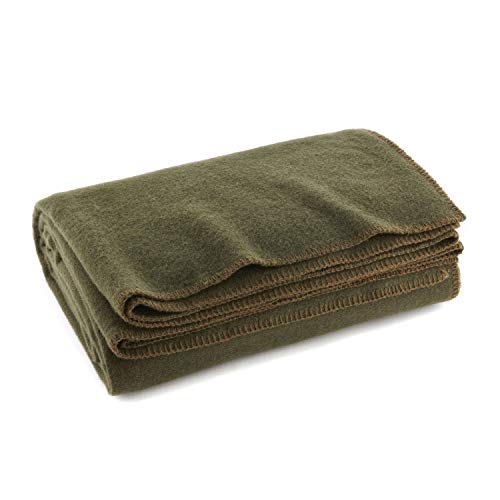
Olive Drab Wool Blanket (80% Wool)
Typical Price: $28
Warm even when it’s damp. A heavy wool blanket for every bed is one of the cheapest outage preps there is, and it moves to the car kit in a pinch.
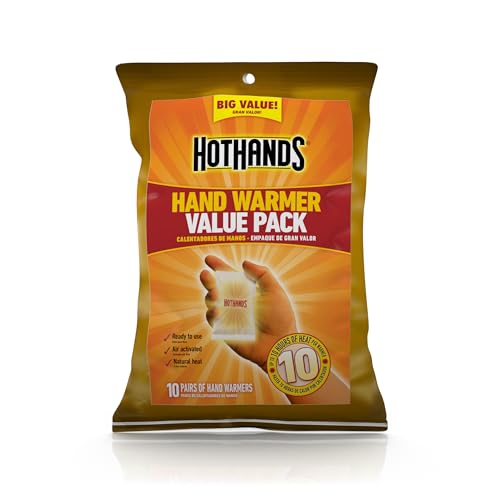
HotHands Hand Warmers (10 Pairs)
Typical Price: $9
Hours of heat with no fuel and no flame. Slip a pair into gloves, socks or the foot of a sleeping bag.
For the cold-rated sleeping bag in our car kit and bug out bag, see the TETON Sports Tracker 5°F. A merino beanie is cheap and warm enough to sleep in.
Use Stored Power Wisely
A portable power station won’t run a space heater for long, but it doesn’t have to. Use it for the small loads that keep you warm and safe: an electric blanket or heated throw, phones, a radio, lights, a CPAP, and the blower on a gas fireplace insert that needs electricity to circulate air. Check the watts on the label and compare them to the station’s capacity before you count on it.
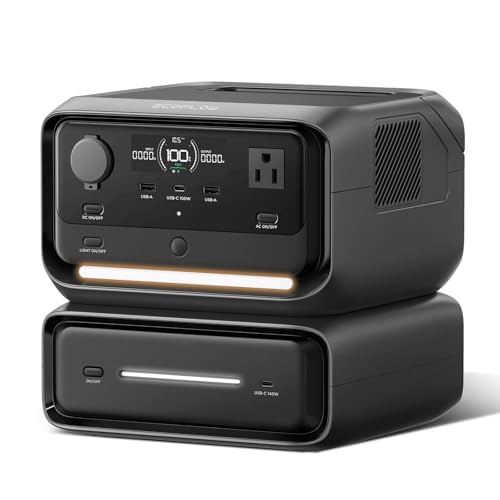
EcoFlow River 3 Max Power Station (572 Wh)
Typical Price: $399
Enough for the small loads that matter. Runs an electric blanket, lights, phones and a radio through a long night, then recharges from the wall, a car or solar.
Not sure how big a station you need? Our power outage guide walks through sizing one.
Heaters: What’s Safe Indoors
If you add heat, use only a heater that’s made and labeled for indoor use, and follow the manufacturer’s instructions. The U.S. Consumer Product Safety Commission estimates portable heaters are involved in an average of 1,600 fires a year, with an average of 70 deaths and 150 injuries a year from 2020 to 2022 (CPSC). CPSC’s rules:
- Keep heaters at least 3 feet from drapes, furniture, bedding and anything else that can burn.
- Plug electric heaters straight into a wall outlet, not an extension cord or power strip.
- Turn heaters off when you sleep.
- Turn fuel-burning heaters off and let them cool before refueling.
Indoor-Rated Propane Heaters
Small propane heaters sold for indoor use, like the Mr. Heater Buddy series, have a low-oxygen shutoff and a tip-over switch. They’re popular for outages for good reason, but they still burn fuel. Use one only if it’s labeled for indoor use, crack a window as the manual says, keep it 3 feet from anything that can burn, never run it while you sleep, and always have a working CO alarm in the room.
ShopIndoor-Safe Propane Heaters
Fireplaces and Wood Stoves
A wood stove is one of the best outage heat sources there is, if it’s been inspected. CPSC recommends a professional inspection of all fuel-burning heating every year, since these systems can produce carbon monoxide (CPSC). An open fireplace sends much of its heat up the chimney, so close off the room around it and sit close.
The Never List: Carbon Monoxide Kills
Carbon monoxide has no smell and no color. The CDC says more than 400 Americans die each year from unintentional CO poisoning not linked to fires, more than 100,000 visit an emergency department, and more than 14,000 are hospitalized (CDC: Carbon Monoxide Poisoning Basics). Outages are when a lot of those cases happen.
- Never heat your home with a gas oven or stovetop (CDC).
- Never use a generator, grill, camp stove or other gasoline-, propane- or charcoal-burning device inside, including the garage, basement or a covered porch, even with the doors and windows open (CDC).
- Run generators outside, at least 20 feet from the house, with the exhaust pointed away from doors, windows and vents (CPSC). CPSC estimates about 750 people died from CO poisoning tied to generators alone from 2012 to 2022.
- Never warm up in a car running in an attached garage, even with the garage door open (CDC).
Get a CO Alarm That Works Without Power
The CDC recommends battery-operated or battery back-up CO detectors near every sleeping area (CDC), and CPSC says to put CO alarms on every level of the home and outside sleeping areas, test them monthly, and replace batteries at least once a year (CPSC). A plug-in alarm without a battery backup does nothing in an outage.
Know the symptoms: the most common are headache, dizziness, weakness, upset stomach and vomiting, often described as “flu-like” (CDC). If the alarm sounds or anyone feels that way, get everyone outside into fresh air and call 911.
Light Without Fire
CPSC recommends battery-powered flashlights and lanterns instead of candles during an outage, and never leaving candles burning unattended (CPSC). A rechargeable lantern lights a whole room and charges a phone.

BioLite AlpenGlow 500 Rechargeable Lantern
Typical Price: $80
Room-filling light, no flame. Bright, long-running on low, and it doubles as a USB power bank for a phone.
Protect the House
- Pipes: let faucets drip slowly to keep water moving (Oregon OEM), and open cabinet doors under sinks on outside walls.
- Food: keep the fridge and freezer closed. Refrigerated food stays safe for up to 4 hours, and a full freezer keeps food frozen for up to 48 hours (Oregon OEM). In real cold, a cooler on the porch can take over.
- Neighbors: check on elderly or vulnerable neighbors.
- Know when to leave. If the house is getting dangerously cold and the outage will last days, go to a friend’s house or a local warming center. Your county emergency management office or 211 can tell you where they are.
Winter Outage Kit Checklist
- Sleeping bags or wool blankets for everyone
- Hats, gloves, wool socks and warm layers
- Chemical hand warmers
- Battery-powered CO alarm, plus spare batteries
- Flashlights, headlamps and a rechargeable lantern
- Power station or power banks, charged
- Battery or hand-crank radio for updates
- Indoor-rated heater and fuel, if you choose to use one
- Food you can eat without cooking, and water
- Towels and painter’s tape or blankets to seal off a room
For the rest of your winter prep, see our winter storm guide and power outage guide, or build a full kit in the Bag Builder.
Winter Power Outage FAQ
How can I heat my house without electricity?
Close off one room, dress in layers and use sleeping bags. If you add heat, use a wood stove that’s been inspected or a heater labeled for indoor use, with a battery CO alarm in the room.
Is it safe to heat a room with a gas stove or oven?
No. The CDC says never heat your home with a gas oven. It can fill the house with carbon monoxide.
Can I run a generator in the garage with the door open?
No. Generators go outside only, at least 20 feet from the house, with the exhaust pointed away from doors, windows and vents.
How long does a house stay warm without power?
It depends on insulation and outside temperature. Closing off rooms, covering windows and keeping everyone in one room slows the heat loss a lot.

Got a question about your bag?
Ask it in the Bug Out Bag Builder group on Facebook. Members share their builds, compare gear and help each other out.