The Best 18650 Battery
Updated November 2026: rewritten with current batteries and chargers, the CPSC’s warning on loose cells, and how to spot a fake.
We switched our camping and emergency lights over to 18650 batteries years ago, and we haven’t looked back. Rechargeable AAs like eneloops are great, but they can only put out so much power. An 18650 runs at about 3.6 to 3.7 volts, compared with 1.5 volts for an alkaline AA and 1.2 volts for a rechargeable one, and it holds a lot more energy. That’s why the brightest flashlights, headlamps and lanterns run on them.
Quick answer: Our pick is the Fenix ARB-L18-3500U, a protected 3,500 mAh 18650 with a built-in USB charging port. Buy batteries from a flashlight maker you trust, never loose cells pulled from battery packs, and charge them in a real lithium-ion charger.
What Is an 18650 Battery?

An 18650 is a cylindrical lithium-ion battery. The name is its size: 18 mm across and 65 mm long, with the 0 meaning it’s round. It’s the same kind of cell found inside laptop packs, power tools and some electric cars. It works like the battery in your phone: no “memory,” so you can top it off whenever you want without running it dead first.
A few things to know before you buy:
- Protected vs. unprotected. A protected battery has a small circuit built in that cuts power if it’s overcharged, run too low or shorted. For flashlights and emergency gear, buy protected. The circuit makes the battery a few millimeters longer, so check that your light takes protected cells.
- Button top vs. flat top. Most flashlights need a button top. Flat tops are mostly for battery packs.
- Capacity. Real 18650s from reputable makers top out around 3,500 to 3,600 mAh. If a listing promises 6,000 or 9,900 mAh, it’s fake. Walk away.
- Built-in USB. Some batteries, like our top pick, have a charging port right on the battery, so you can charge it from any USB cable without a separate charger.

18650 Safety: Don’t Buy Loose Cells
The Consumer Product Safety Commission warns that many 18650s sold online are industrial cells pulled out of battery packs, rewrapped and sold as new. They don’t have protection circuits, and if the bare ends touch keys or coins in a pocket, they can short, overheat and catch fire or explode. The CPSC says not to use loose 18650 cells that have been separated from battery packs.
The way to stay safe is simple:
- Buy 18650s sold as consumer batteries by a flashlight maker you trust, like Fenix or Nitecore, from them or an authorized seller.
- Carry spares in a plastic battery case, never loose in a pocket or bag.
- Charge them only in a charger made for lithium-ion batteries.
- If a wrapper is torn or a battery is dented, swollen or gets hot, recycle it.
The Best 18650 Battery

Fenix ARB-L18-3500U
This is the one we keep in our lights. It’s a protected 3,500 mAh button-top 18650 with a USB charging port built into the battery and a little light that shows when it’s charging. That gives you three ways to charge it: in a charger, in a light that charges over USB, or on its own with a cable. It’s a big help when your charger is at home and you’re not.
18650 Battery Chargers

Unless your battery or light charges over USB, you’ll need a charger. I keep two of them so I can charge a pile of batteries at once. Look for a smart charger that stops when the battery is full and protects against short circuits and putting a battery in backwards. All of these also charge AA and AAA rechargeables, and they run off USB, so you can charge from a power bank or solar panel when the power is out.
Nitecore UMS2 Two-Bay Charger
A smart two-bay USB-C charger that handles 18650s, 21700s and AA/AAA rechargeables. A good first charger.
XTAR VC4SL Four-Bay Charger
Four bays and a screen that shows each battery’s voltage and capacity, so you can spot one that’s wearing out.
Nitecore UI1 Single-Bay Charger
Small and cheap enough to live in your bug out bag. Plug it into a power bank and you can charge a battery anywhere.
Fenix also makes one-, two- and four-bay chargers, with or without batteries.
Lumens and Candela
When you shop for an 18650 light, you’ll see two numbers. Lumens is the total amount of light coming out of it. Candela is how intense the beam is in one direction, which tells you how far it throws. A lantern or a floody headlamp needs lumens. A flashlight for seeing down a trail or across a yard needs candela. Lumens get all the marketing hype, so check both.
Lights That Run on 18650s
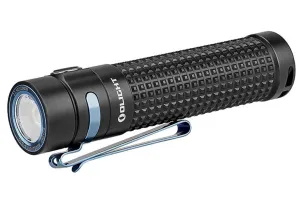
Fenix makes a huge range of lights that run on 18650s and is one of our most trusted brands. We’ve used their flashlights, headlamps and lanterns for years. Nitecore and Streamlight are right up there too.

Nitecore HC60 UHE Headlamp
A bright, comfortable headlamp that runs on one 18650 and charges over USB-C, with a red light for night vision. It’s our pick when you want an 18650 headlamp without spending a fortune.
One thing to know: many newer high-output lights, like the Fenix CL26R Pro lantern below, have moved to the 21700. It’s the 18650’s bigger cousin, 21 mm across and 70 mm long, and holds more power. If you’re buying a new light, it’s worth standardizing on one size so your spare batteries fit everything.
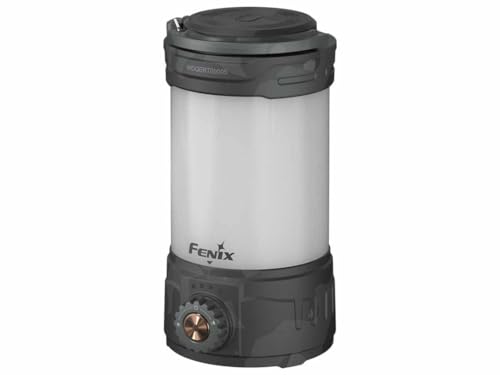
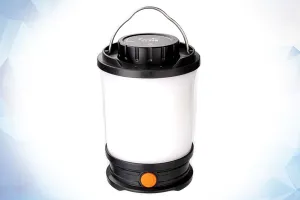
Fenix CL26R Pro Rechargeable Lantern
Typical Price: $80
Our top lantern. Our longtime 18650 lantern was the Fenix CL30R, which ran on three of them (see our full review). Fenix discontinued it, and the CL26R Pro is the one we’d buy now. It runs on one 21700 (included), puts out up to 650 lumens, and its USB port can top up your phone. Use code AF-BUGOUTBAG for 10% off at Fenix.
ShopFenix $80Amazon $80Add To Bag
18650 Battery FAQ
Are 18650 batteries safe?
Yes, when you buy protected batteries from a trusted maker, carry them in a case and charge them in a proper charger. The danger is loose, unprotected cells pulled from battery packs, which the CPSC warns against.
What’s the highest real capacity for an 18650?
About 3,500 to 3,600 mAh from reputable brands. Anything claiming much more is fake.
Can I charge an 18650 in a regular AA charger?
No. Use a charger made for lithium-ion batteries. Most smart chargers handle both lithium-ion and AA/AAA rechargeables.
What’s the difference between an 18650 and a 21700?
Size and capacity. A 21700 is wider and longer and holds more power, but they aren’t interchangeable, so check what your light takes.

Got a question about your bag?
Ask it in the Bug Out Bag Builder group on Facebook. Members share their builds, compare gear and help each other out.
Up Next