Mosquito and Tick Repellents That Actually Work
Updated November 2026: rewritten as an original guide to mosquito and tick repellents, with official sources and current gear picks.
Bugs aren't just a nuisance when you're stuck outside. After a storm there's standing water everywhere, the screens may be torn, and if you're on foot you're walking through tall grass where ticks wait. A good repellent is one of the smallest, lightest things you can pack, and one of the easiest to get wrong. Plenty of products on the shelf do little or nothing.
Quick answer: Use a repellent registered with the EPA. The CDC lists six active ingredients that qualify: DEET, picaridin, IR3535, oil of lemon eucalyptus (OLE), para-menthane-diol (PMD) and 2-undecanone. For ticks, add clothing treated with 0.5% permethrin. Skip bracelets and sonic devices.
What Works: EPA-Registered Repellents
The CDC recommends an EPA-registered insect repellent, because the EPA has reviewed those products for safety and effectiveness. Look for an EPA registration number on the label. The registered active ingredients are:
- DEET, the oldest and best-known repellent.
- Picaridin, sold as icaridin or KBR 3023 outside the US. It's the usual choice for people who would rather not use DEET.
- IR3535.
- Oil of lemon eucalyptus (OLE) and its active part, PMD. These are the plant-based options that are actually registered.
- 2-undecanone.
Not sure which one fits your trip? The EPA's repellent search tool lets you filter by pest (mosquitoes, ticks or both), active ingredient and how long protection lasts.
What Doesn't Work
The CDC says plainly that it doesn't know how well repellents work if they aren't EPA-registered, including some natural repellents. Independent testing backs that up.
In a 2017 study in the Journal of Insect Science, researchers at New Mexico State University put common repellents in front of hungry yellow fever mosquitoes in a wind tunnel, with a person as bait. The sprays all cut how many mosquitoes went for the person. The best were Cutter Lemon Eucalyptus and Ben's 98% DEET, according to the study's news release. The only wearable gadget that worked was the OFF! Clip-On, a small fan that blows a repellent called metofluthrin around you. The repellent bracelets and the sonic repeller showed no significant effect.
So save your money on wristbands, ultrasonic gadgets and essential-oil sprays that have no EPA number on the label.
Ticks: Treat Your Clothes
Ticks crawl up from the ground, so the CDC recommends treating boots, clothing and camping gear with products containing 0.5% permethrin. Treated items stay protective through several washings. Permethrin goes on your clothes and gear, not your skin, so follow the label.
After time in brush or tall grass, the CDC also recommends you:
- Check your whole body for ticks, using a mirror for the places you can't see, and check kids, pets and your gear too.
- Shower within two hours of coming indoors.
- Tumble dry your clothes on high heat for 10 minutes to kill any ticks on them. Washing alone won't do it.
How to Use Repellent Safely
- Sunscreen first, repellent second. That's the CDC's order when you need both.
- Kids: don't use OLE or PMD products on children under 3. Spray repellent on your own hands and then rub it on a child's face, and keep it off their hands, eyes, mouth and any cuts or irritated skin. Dress kids in long sleeves and pants, and cover strollers and carriers with mosquito netting.
- Cover up. Long sleeves, long pants and a head net mean less skin for bugs to find and less repellent to carry.
- Reapply as the label says, and sooner after swimming or heavy sweating.
Bug Protection for Your Bug Out Bag
Pack a small pump spray rather than an aerosol can, which isn't made to ride around in a hot car. Treat the clothes you keep in your bag with permethrin before you pack them, and put a note on your calendar to re-treat them. Add a head net if you live anywhere with heavy mosquito seasons. For the full list, see our bug out bag checklist.
Repellents We Recommend
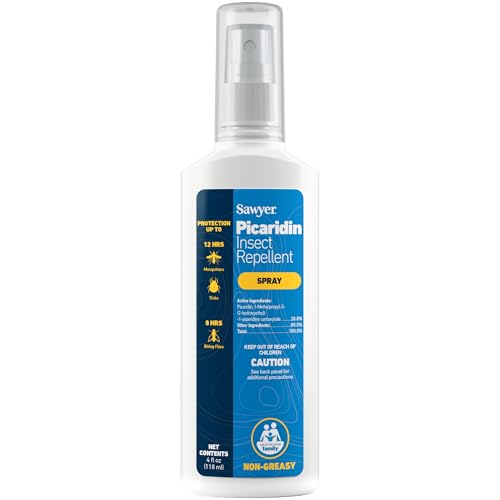
Sawyer 20% Picaridin Pump Spray
Typical Price: $11
Best overall. Picaridin is one of the CDC’s recommended ingredients and works on mosquitoes and ticks. A 4 oz pump spray fits in a hip belt pocket or the top of your bag.
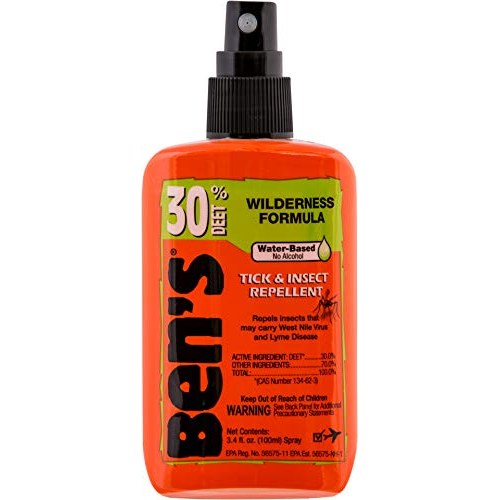
Ben's 30% DEET Pump Spray
Typical Price: $8
Best DEET. From the brand whose 98% DEET formula was one of the most effective sprays in the 2017 study. The 30% pump is a good everyday strength for a bag.
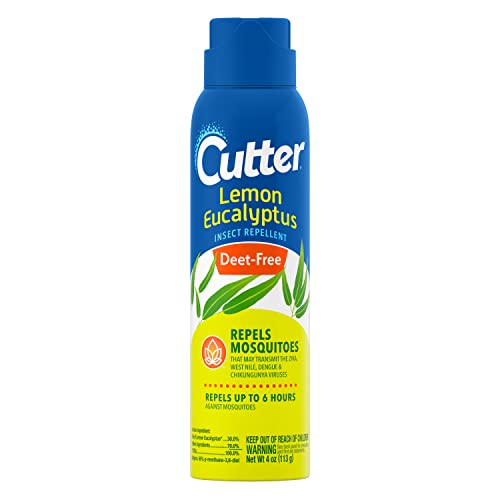
Cutter Lemon Eucalyptus Spray
Typical Price: $8
Best plant-based. Oil of lemon eucalyptus is EPA-registered, and this Cutter spray was one of the top performers in the 2017 study. Not for children under 3.
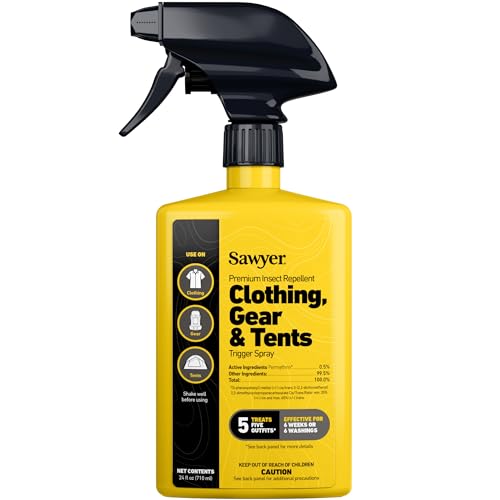
Sawyer Permethrin for Clothing and Gear
Typical Price: $16
For ticks. Treat your bug out clothes, boots and tent before you pack them. Clothing and gear only, never skin, so follow the label.
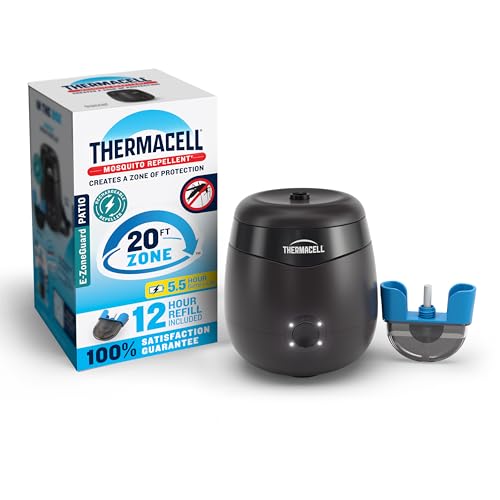
Thermacell E-ZoneGuard Patio Repeller
Typical Price: $36
For camp or the porch. A rechargeable unit that keeps mosquitoes out of a 20-foot zone around where you sit, with no flame or fuel. It doesn’t replace repellent on your skin when you move.
Bug Repellent FAQ
Is DEET or picaridin better?
Both are EPA-registered and recommended by the CDC. DEET has the longest track record, and picaridin is the usual pick for people who would rather not use DEET. The best one is the one you'll actually put on.
Do natural mosquito repellents work?
Oil of lemon eucalyptus and PMD are plant-based and EPA-registered, and one OLE spray tested among the best in the 2017 study. The CDC says it doesn't know how well unregistered natural repellents work.
Do mosquito repellent bracelets work?
In the 2017 Journal of Insect Science study, the bracelets showed no significant reduction in mosquito attraction. Neither did the sonic device.
How do I keep ticks off?
Treat clothes and boots with 0.5% permethrin, use an EPA-registered repellent on your skin, check your body after being outdoors, shower within two hours, and dry your clothes on high heat for 10 minutes, as the CDC recommends.

Got a question about your bag?
Ask it in the Bug Out Bag Builder group on Facebook. Members share their builds, compare gear and help each other out.