Survival Skills
Knowledge Weighs Nothing
There are some fundamental survival skills everyone should know how to do but which many of us have never tried or even cared about. Do you know how to:
- Build a fire (without using an entire newspaper for kindling)
- Purify water
- Tie functional knots
- Read a map and use a compass
- Cook meals over a fire
- Sew or mend small or large tears
- Pack your car/truck with all your gear
- Get out of town without using highways
- Check the air pressure of your vehicles tires
- Check the fluid levels of your vehicle
- Treat basic medical needs
- Use a two-way radio
- Catch or forage for food in the wild
The list can go on and on. It's a lot to think about, we know. Don’t let it stress you out though. Learn as much as you can, at your own pace.
The likelihood of something happening that would force you to use these tools in the short-term is probably very slim. But Mother Nature can throw a few surprises at us so we need to be on top of our game.
8 Survival Skills to Practice First
If that list feels like a lot, start with these eight. Practice each one at home or on a camping trip before you ever need it.
1. Start a fire more than one way
Fire keeps you warm, dries your clothes, boils water and cooks food. Carry a lighter, a ferro rod and storm matches, and practice going from tinder to kindling to fuel in wet weather. See our food & firemaking guide.
2. Make water safe to drink
Water from a stream or lake can carry bacteria, parasites and viruses. The CDC says to bring water to a rolling boil for 1 minute (3 minutes above 6,500 feet). A good filter is faster in the field. See our water filter picks.
3. Carry food so you don't have to find it
Foraging and trapping burn energy and take skill, so pack enough food for the first few days. See our 72-hour food supply guide. Never eat a wild plant or mushroom you can't identify with certainty.
4. Keep your knife sharp
A dull knife slips, and a slipping knife cuts you. Carry a small pocket sharpener or whetstone and practice holding a steady angle until it's second nature.
5. Build a shelter
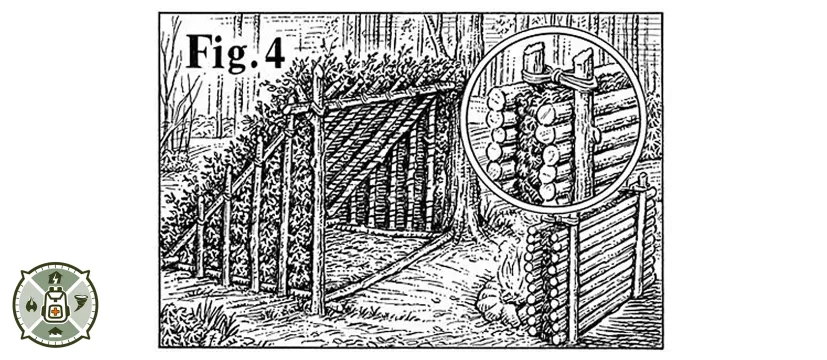
A night out in wind and rain can be dangerous even in mild weather. Learn to pitch a tarp and build a simple debris shelter. Our quick shelter guide covers both.
6. Basic first aid
Know how to stop bleeding, clean and close a wound, treat blisters and splint a sprain. A hands-on class like Stop the Bleed or a Red Cross first aid course is worth a Saturday. For a reference book, see our Survival Medicine Handbook review.
7. Navigate without your phone
Carry a paper map and learn to use a compass. As a backup, you can find direction using the sun and stars.
8. Tie a few good knots
You don't need dozens. A bowline, clove hitch, taut-line hitch and trucker's hitch will rig a tarp, hang a bag and tie down a load. Practice until you can tie them in the dark.
Survival Skills Training
Consider finding a class near where you live that teaches Bushcrafting or Wilderness Training. We went to Byron Kern’s Survival School for a long weekend and it was a real eye opener (it was fun too).
Do your own research and see what the internet can show you. Then put your new survival skills to use as often as you can. It's really easy to forget knots for example!
For now you should join the discussion on our Facebook Page and our Facebook Group – Bug Out Bag Builder: 72-Hour Emergency Kit Support Group. There you will see daily tutorials on survival topics, and you can connect with a community of like minded folks who can help you get started or answer any questions you have.
The most important thing to remember is to have your emergency kit prepared ahead of time. Maybe you don’t know how to use that new Baofeng radio yet but someone who does can give you a quick lesson during an emergency. At least you got one…right?

Got a question about your bag?
Ask it in the Bug Out Bag Builder group on Facebook. Members share their builds, compare gear and help each other out.