Getting Prepared...
Every kind of emergency asks something different of you. Some give you days of warning, some give you seconds, and some keep you home for weeks. Pick the ones that can happen where you live, read the guide, and build the bag that fits.
Each card says which bag to build first. If you are not sure, start with a Get Home Bag: it covers the day something happens while you are away from home.

Hurricanes
You'll usually get a few days' warning, so use them: protect the house, top off supplies, and decide early whether you are staying or going.

Wildfires
Wildfires can move faster than evacuation orders. Bags packed, cars fueled, and two ways out of your neighborhood.

Flooding
Floodwater rises fast and moves faster than people expect. Know your flood zone, know your route to high ground, and leave early.

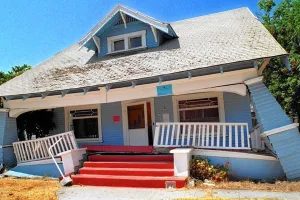
Earthquakes
There's no warning and no time to pack. What matters is what is already in your car, at your desk and by the bed, plus a plan to find your family afterward.

Winter Storms
Snow and ice strand drivers and knock out power and heat for days. A car kit, warm layers and a plan for staying warm at home.

Power Outages
A few hours without power is an inconvenience; a few days is a different problem. Light, power, food that keeps, and a plan for heat or cooling.

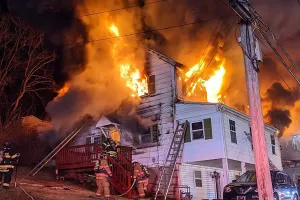
Home Fires
A house fire can leave you seconds to get out, with nothing you didn't stage by the door. Make an escape plan, practice it, and keep a bag on the way out.

Pandemics
Some emergencies keep you home instead of on the road. Food and water for weeks, masks and gloves, medicines, and a plan for when someone gets sick.

Water Safety
Help is farther away on the water, and the water is colder than it looks. Life jackets, a float plan and a bag that leaves the boat with you.
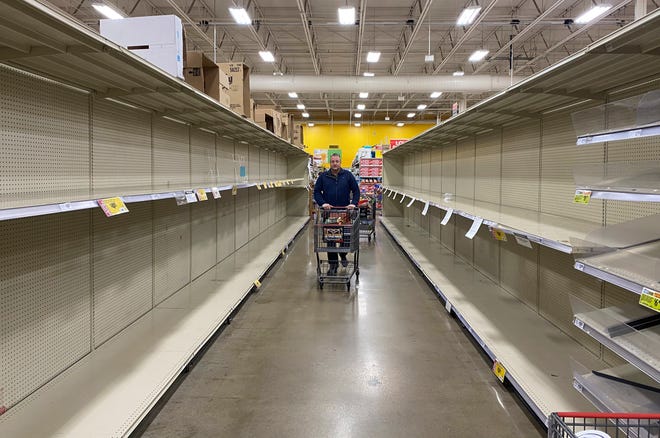
Storm Week Shopping List
What to buy in town when a storm is a few days out, in the order the shelves empty, and what to skip.
Header photo by Andrea Booher, FEMA Photo Library (public domain), via Wikimedia Commons.
Up Next