Can You Live Off Grid in a Camper or RV?
Updated November 2026: rewritten as an original, practical guide to living off grid in an RV or camper, with BLM and CDC sources.
Living off grid in a camper sounds like the best of both worlds: the independence of off-grid life without being tied to one piece of land. It can work, and plenty of people do it for weeks or months at a time. But “off grid” in an RV has limits, and knowing them up front is the difference between a great setup and a miserable one. It’s also worth thinking about if you’re considering a camper as a bug out vehicle.
Quick answer: Yes, you can live off grid in a camper for long stretches, if you plan for four things: power (solar, batteries and a generator), water (you’ll still need to refill), waste (you’ll still need to dump) and a legal place to park. Fully self-sufficient forever isn’t realistic in an RV, but weeks at a time is.

What “Off Grid” Means in a Camper
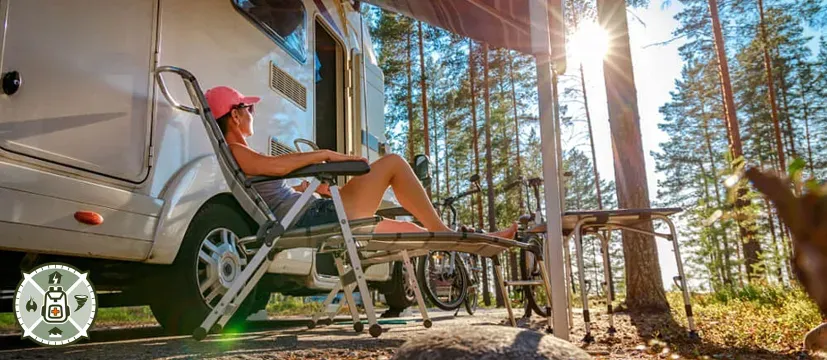
In the RV world, living without hookups is called boondocking or dry camping: no plug-in power, no water hookup and no sewer connection. You run on what you carry and what you make. In practice, that means:
- You make your own power with solar, batteries and maybe a generator.
- You carry your water in your fresh tank and refill it every so often.
- You hold your waste in gray and black tanks and empty them at a dump station.
- You still buy fuel and propane, and you still need roads.
So an RV gets you independence from the power grid and from campgrounds, but not from gas stations, water spigots and dump stations. How long you can go between trips is what good planning stretches out.
Power: Solar, Batteries and a Generator
Power is the easiest part to solve today. A typical off-grid camper setup has:
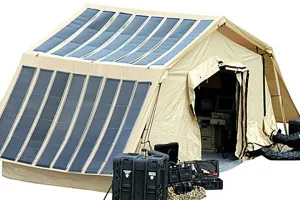
- Solar panels on the roof, or portable panels you can aim at the sun.
- A battery bank to store it. Lithium (LiFePO4) batteries cost more up front, but they’re lighter and let you use more of their capacity than lead-acid batteries.
- An inverter to run regular 120-volt devices from the batteries.
- A generator as backup for cloudy stretches, or for big loads like air conditioning.
The trick is to cut your power use before you size your system. LED lights, a 12-volt fridge and charging phones and laptops are easy. Air conditioning, electric space heaters, hair dryers and microwaves are hard on any off-grid system. A portable power station can also cover a lot of small loads. See our portable power guide and our Goal Zero Yeti solar generator review.
Generator and Heater Safety
Carbon monoxide is the big danger in a camper. The CDC says to run a generator outdoors and more than 20 feet from windows, doors and vents, never to use a portable camp stove indoors, and to keep battery-powered CO detectors near where people sleep. Most RVs have a CO alarm built in. Test it, and replace it when it expires.
Water
Water is usually what sends you back to town first. You’ll use it for drinking, cooking, dishes and showers, and a fresh tank goes faster than you’d think. Ways to stretch it:
- Carry extra water in jugs, and keep drinking water separate from wash water.
- Take “navy showers”: get wet, turn the water off, soap up, rinse.
- Use a dishpan and wipe dishes before you wash them.
- Carry a good water filter or a gravity filter like a Berkey so you can treat water from other sources. Learn the basics in our guide to water treatment and storage.
Waste
Your gray tank (sinks and shower) usually fills before your black tank (toilet). Conserving water helps both. Know where the dump stations are along your route, and never dump tanks on the ground. Some full-timers switch to a composting toilet to stretch the time between dumps.
Where Can You Park?
This is the part that surprises people. You can’t just park anywhere for as long as you like, and many towns limit overnight parking. Common options:
- Public land: on most Bureau of Land Management land, free dispersed camping is limited to 14 days in a 28-day period. In Idaho, for example, the BLM then requires you to move at least 25 miles. Rules vary by area, so check with the local office.
- Long Term Visitor Areas: the BLM runs a few areas in the desert Southwest where you can stay all winter with a permit. The La Posa LTVA, for example, sells a season permit for September 15 to April 15 and has water faucets and dump stations.
- National forests: many allow dispersed camping with stay limits. Check the local ranger district.
- Private land: friends, family, farms and RV parks with monthly rates.
Long-term travelers also need a legal address for mail, vehicle registration and insurance. Many use a family member’s address or a mail forwarding service.
Food
You won’t grow all your food in a camper, but you can stretch grocery runs. Keep a pantry of shelf-stable food, use a 12-volt fridge or a well-insulated cooler, and grow herbs or greens in containers when you’re parked for a while. A few weeks of freeze-dried meals make a good backup. See our bug out bag food guide.
Is a Camper a Good Bug Out Vehicle?
It can be. A camper is shelter, kitchen, bathroom and storage on wheels. The downsides: it’s big, it burns a lot of fuel, it’s slow on bad roads, and it can get stuck in evacuation traffic like everyone else. If you go this route, keep it stocked, fueled and ready to leave, and have a plan for getting out on foot with a bug out bag if the roads close.
Off-Grid Camper Gear We Like
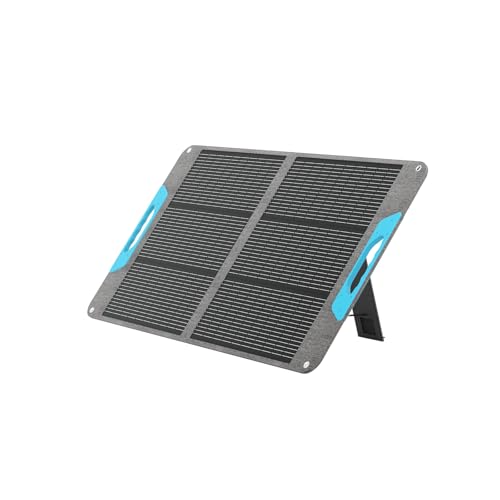
Renogy 100W Portable Solar Panel
Typical Price: $125
Solar you can aim. A folding panel lets you park in the shade and set the panel in the sun, and it doubles as backup power for a power station at home.
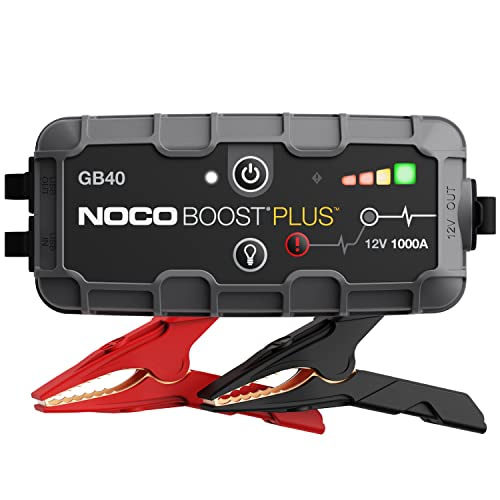
NOCO Boost GB40 Jump Starter
Typical Price: $50
Never get stranded by a dead battery. Running lights and devices off your vehicle batteries is how most people end up stuck. This compact jump starter gets you going without another vehicle.
Off-Grid Camper FAQ
How long can you boondock in an RV?
Usually until your water runs out or your tanks fill up, often a week or two with careful use. On BLM land, stay limits are typically 14 days in a 28-day period.
Can you run an RV on solar alone?
For lights, a 12-volt fridge, fans and electronics, often yes with enough panels and batteries. Air conditioning usually needs a generator or shore power.
Is it legal to live in an RV?
Living in an RV is legal, but where you park it is regulated. Use public land within its stay limits, campgrounds, RV parks or private land with permission, and check local rules.

Got a question about your bag?
Ask it in the Bug Out Bag Builder group on Facebook. Members share their builds, compare gear and help each other out.
Up Next