Overboard Bag: How to Build a Boat Ditch Bag That Gets You Found
Updated November 2026
Duration: Until Rescue Arrives
Use:
Leaving a Boat in an Emergency: Sinking, Fire, Capsizing, Running Aground, Person Overboard
Must Have Gear:
Personal Locator Beacon, Floating VHF Radio, Distress Signals, Water, Sun and Exposure Protection, First Aid, a Bag That Floats
Want this overboard bag sized for your crew and your budget? Answer a few questions and get a complete, priced list with a reason for every item.
What Is an Overboard Bag?
An overboard bag (boaters call it a ditch bag) is the one bag that leaves the boat with you. It sits by the exit, not in a locker, and it holds the gear that gets you found and keeps you alive in the water or in a raft until help arrives.
Every other bag in the Five-Part Emergency System is built around walking somewhere. This one isn't. On the water you're not going anywhere under your own power. Your whole job is to be seen, be heard and be located, and to stay healthy while you wait.
I learned how far away help is on the water the day we ran aground and had a medical emergency on board at the same time. On land, help is a phone call and a few minutes. On the water it's a radio call, a position you'd better be able to give, and a wait. Whatever you need during that wait has to already be on the boat, packed and in reach.
What Should an Overboard Bag Do?
Three jobs, in this order:
- Get you found. A beacon that sends your position to rescue satellites, a radio that reaches the Coast Guard and nearby boats, and signals someone can see by day and by night.
- Keep you alive while you wait. Drinking water, food, first aid, sun protection and something to hold off the cold.
- Stay with you. Everything floats or is packed in a bag that floats, and the most important pieces clip to you rather than the bag.
What it is not: flotation. Your life jacket is your flotation. Wear it. A ditch bag can't keep your head above water, and you can't put on a life jacket after you're in the water.
And the oldest rule on the water still stands: stay with the boat if it's still floating. A hull is a lot easier for searchers to spot than a head.
Overboard Bag Contents
This is the list the builder's Overboard bag starts with. Every item earned its spot by passing one test: will it work when I need it to, wet, cold and in a hurry?
Get Found:
- ACR ResQLink View RLS Personal Locator Beacon + Add to bag~$530 · 5.3 oz < The most important thing in the bag. More on choosing a beacon below.
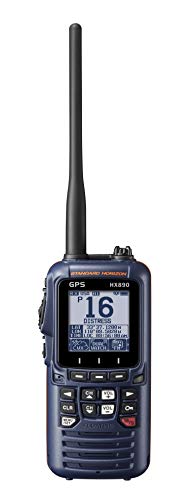
- Standard Horizon HX890 Floating VHF with GPS + Add to bag~$265 · 10.9 oz < It floats, and the red DSC distress button sends your GPS position to the Coast Guard and every DSC-equipped boat in range.
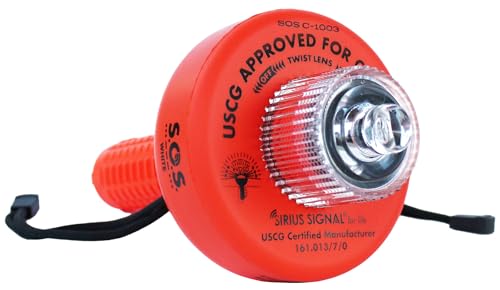
- Sirius Signal C-1003 SOS Distress Light + Add to bag~$70 · 1.5 lb < An electronic flare that comes with an orange day flag and a whistle. Together they cover the Coast Guard's day and night visual distress signal rules, and nothing in it expires.
- Adventurer Series Signal Mirror + Add to bag~$50 · 3.2 oz < On a sunny day a mirror flash can be seen by aircraft for miles, and it never needs a battery.
- ACR C-Strobe H2O Water-Activated Strobe + Add to bag~$25 · 2.5 oz < Clip it to your life jacket. It turns itself on when it hits the water.
- UST JetScream Floating Whistle + Add to bag~$11 · 0.3 oz < A second whistle, on your life jacket. The bag can get away from you; your whistle shouldn't.
Water & Food:
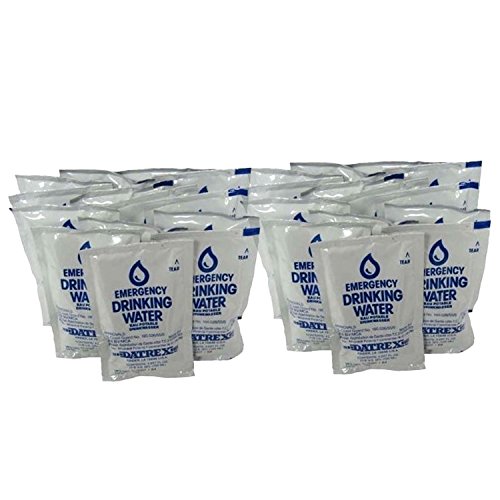
- Datrex Emergency Water Pouches (24-Pack) Find one in the builder › < Coast Guard-approved drinking water in small pouches with a five-year shelf life. You can't drink the water you're floating in.
- S.O.S. Millennium Emergency Food Bars + Add to bag~$33 · 1.6 lb < No cooking, no prep, and they won't make you thirsty.
- 15-Piece Emergency Survival Fishing Kit + Add to bag~$13 · 1.6 oz < For the day that turns into three.
First Aid & Exposure:
- Adventure Medical Kits Ultralight/Watertight .5 + Add to bag~$32 · 3.5 oz < A watertight first aid kit. See my first aid kit guide for what to add.
- Bonine Motion Sickness Tablets + Add to bag~$7 · 0.3 oz < A raft in swells makes almost everyone sick, and vomiting costs you water you can't spare. Take it before you need it.
- Blue Lizard SPF 50+ Mineral Sunscreen Stick + Add to bag~$8 · 0.5 oz < On open water the sun hits you from above and again off the water.
- SOL Emergency Bivvy + Add to bag~$25 · 4.5 oz < Wet people get cold even in warm water. Climb into it once you're out of the water.
Tools:
- Spyderco Atlantic Salt Rescue Knife + Add to bag~$118 · 2.6 oz < H1 steel that won't rust in salt water, and a blunt tip that won't puncture a raft (or you).
- Dorcy Floating Waterproof LED Flashlight + Add to bag~$10 · 4.5 oz < If you drop it, it floats.
- CACOE Floating Waterproof Phone Pouch (2-Pack) + Add to bag~$10 · 1.5 oz < Near shore a dry phone is a second radio. You can work the screen through the pouch.
The Bag:
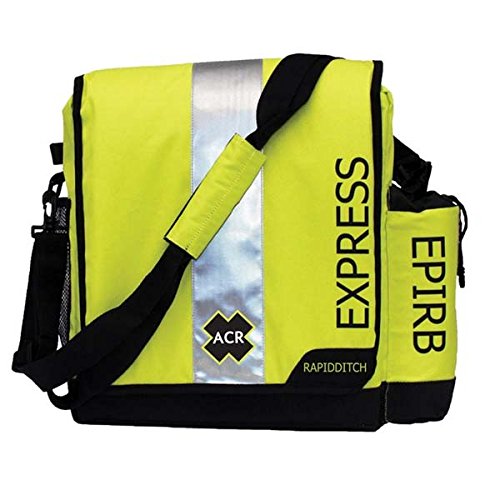
- ACR RapidDitch Express Bag + Add to bag~$100 · 2.3 lb < It floats, it's bright, and it has a handle you can grab on the way over the side.
Want to change anything? Open the Overboard bag in the builder, swap what you like, and check out with one Amazon cart.
Choosing a Personal Locator Beacon
A personal locator beacon (PLB) sends a distress signal and your GPS position to the international rescue satellite system, which passes it to the Coast Guard. No cell signal needed and no subscription. The builder carries two, and they make different trade-offs:
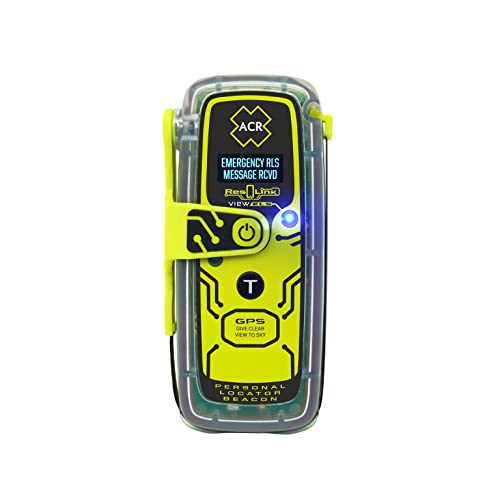
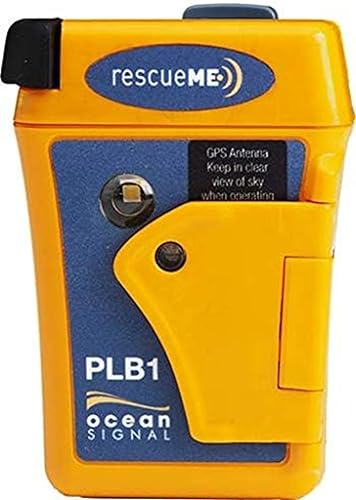
| ACR ResQLink View RLS My pick | Ocean Signal rescueME PLB1 | |
|---|---|---|
| Price | $530 | $400 |
| Floats | On its own | Only in its included pouch |
| Confirms rescue got your signal | Yes (Return Link Service light) | No |
| Display | Yes: status and your coordinates | No |
| Size | Larger | The smallest PLB made, about 4 oz |
| Battery | 5 years, replaced by an ACR service center | 7 years, replaced by a service dealer |
| Homing signal and strobe | Yes | Yes |
| + Add to bag~$530 · 5.3 oz | + Add to bag~$400 · 4.1 oz |
My pick is the ResQLink View + Add to bag~$530 · 5.3 oz, and it's the one in the pre-filled bag. When you're sitting in a raft, that blue light telling you the satellites have your alert and your position is worth every penny. It changes how you ration water and how you spend the next twelve hours.
The rescueME + Add to bag~$400 · 4.1 oz is the better choice if size is what decides whether you'll actually wear it. If you fish alone from a kayak or a small boat, a beacon clipped to your life jacket beats a better one in a bag that floated away. The wizard picks the rescueME when you choose the "essentials" budget.
Whichever you buy: register it with NOAA before you need it. It's free, federal rules require it, and it's how rescuers know who they're looking for and who to call. Register at beaconregistration.noaa.gov and renew every two years.
A PLB is registered to you. An EPIRB is the bigger, boat-mounted cousin registered to the vessel. If you run offshore, the boat should have an EPIRB and every person should still have a PLB.
What I Left Out, and Why
- A separate handheld GPS. The HX890 and the beacon both have GPS, and the radio shows your position on its screen.
- Binoculars. Too heavy for what they do in a raft. Rescuers will find you; you don't need to find them.
- Aerosol air horns. They're weak once they're wet or cold. A whistle always works.
- Pyrotechnic flares. They still work and they're still legal, but they expire 42 months after they're made and they're a burn hazard in a raft. The Sirius light and flag cover the Coast Guard requirement without either problem. If you carry flares anyway, keep them current.
- A manual watermaker. Worth it for offshore passages, but it costs more than the rest of this bag. For coastal and inland boating, stored water is the right answer.
- Your ham radio. I love my BaoFeng, but it isn't a marine radio and it doesn't float. On the water, channel 16 on a marine VHF is how you reach the Coast Guard.
Before You Leave the Dock
- Register your beacon with NOAA (see above).
- Get an MMSI number and program it into the HX890. Without one, the DSC distress button can't tell anyone who you are. Recreational boaters who stay in US waters can get one through BoatUS.
- Leave a float plan with someone ashore: where you're going, who's aboard and when to call for help if you're not back.
- Know where the bag lives. Right by the companionway or the helm, never under a cushion or in a locker. Everyone aboard should know where it is.
- Test monthly, rotate yearly. Self-test the beacon and the strobe, check the radio battery, and check the dates on the water and food.
- Brief your crew. Who grabs the bag, who makes the radio call, who triggers the beacon.
Packing Your Overboard Bag
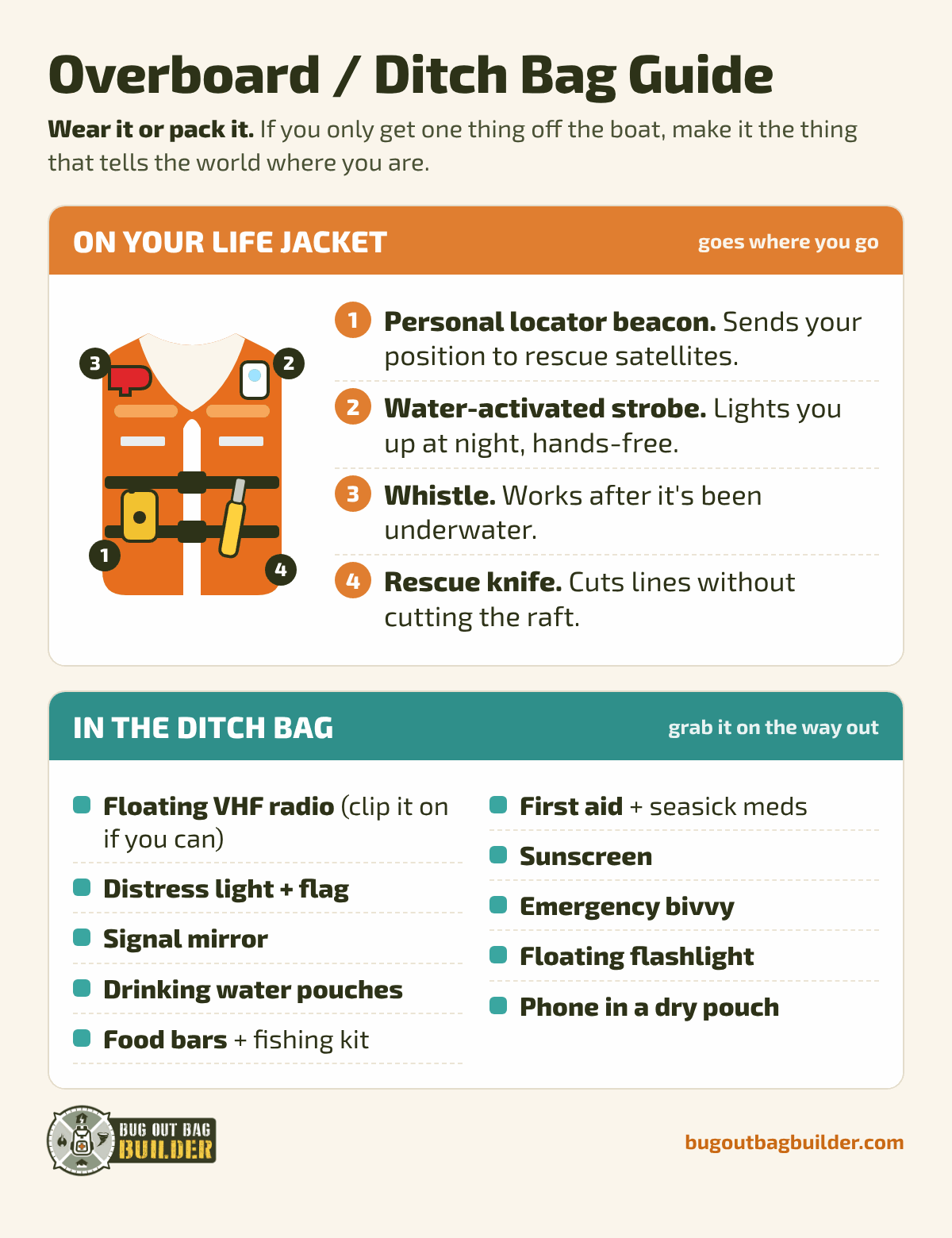
Heavy, dense items (water and food) go in the bottom. The radio, the distress light and the first aid kit go on top where you can reach them without unpacking. The beacon and the strobe are best on your life jacket, not in the bag. If you only get one thing off the boat, it should be the thing that tells the world where you are.
Keep the whole kit light enough to grab with one hand. The pre-filled bag comes in around 15 pounds, most of it water.
Better yet, stay out of the raft in the first place: read Water Safety for the boating basics, Flooding for when the water comes to you, and grab the free printable checklist for your bug out bag.
Overboard Bag FAQ
What is a ditch bag?
A ditch bag is a grab-and-go emergency bag that leaves the boat with you if you have to abandon ship. It holds the gear that gets you found and keeps you alive until rescue: a locator beacon, a radio, distress signals, water and first aid.
Do I need a ditch bag on a small boat or a lake?
If you're far enough from shore that you couldn't swim it in cold water, yes. A small bag with a PLB, a whistle, a strobe and a floating radio covers most inland boating.
PLB or EPIRB?
An EPIRB is registered to the boat and is the better primary beacon for offshore boats. A PLB is registered to a person and goes on your life jacket. Offshore, carry both.
Does a PLB need a subscription?
No. A 406 MHz PLB uses the international rescue satellite system for free. You only need to register it with NOAA.
Do LED distress lights replace flares?
A Coast Guard-approved electronic distress light covers the night signal, and an orange distress flag covers the day signal. The Sirius C-1003 comes with both, plus a whistle.
Where should I keep my ditch bag?
Near the exit, where you can grab it on the way out: by the companionway or the helm. Never buried in a locker.
How heavy should a ditch bag be?
Light enough to grab with one hand and carry over the side. Most of the weight should be water.
Next Step: Build Your Overboard Bag
Answer a few questions and the builder will size this bag for your crew and budget, or see how the overboard bag fits with the rest of your emergency bags.
Sources
- NOAA SARSAT: Beacon registration FAQ (registration is free, required, renewed every two years)
- U.S. Coast Guard: Federal requirements for recreational boats (visual distress signals, sound devices)
- BoatUS Foundation: Visual distress signals (pyrotechnics expire 42 months from manufacture)
- Sirius Signal: C-1003 SOS Distress Light (meets USCG day and night VDS requirements with its flag)
- BoatUS: MMSI numbers for DSC radios
About the Author:
Mr.BOBB is EMT-certified, a CERT team member, a Ham Radio General class operator and a Mass Casualty Events-trained first responder, with more than 15 years of preparedness behind him. He built his first bug out bag in 2010 and the site followed soon after. He created the BOBB Five-Part Emergency System and the WUSH Bag concept.